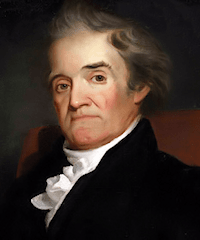
Noah Webster
Websters Dictionary 1828
This online edition has been carefully prepared in a special format. All words, definitions, and examples have been preserved, but the explanations of word origins have been left out to make the data easier to use in a digital format. We have also removed Webster's long technical introduction for the same reason.
Scripture references have been converted to a modern format, and many abbreviations have been expanded to make them easier to understand.
Overshadow
OVERSHAD'OW, verb intransitive
1. To throw a shadow over; to overshade.
2. To shelter; to protect; to cover with protecting influence.
First Occurrence in the Bible(KJV): Luke 1:35